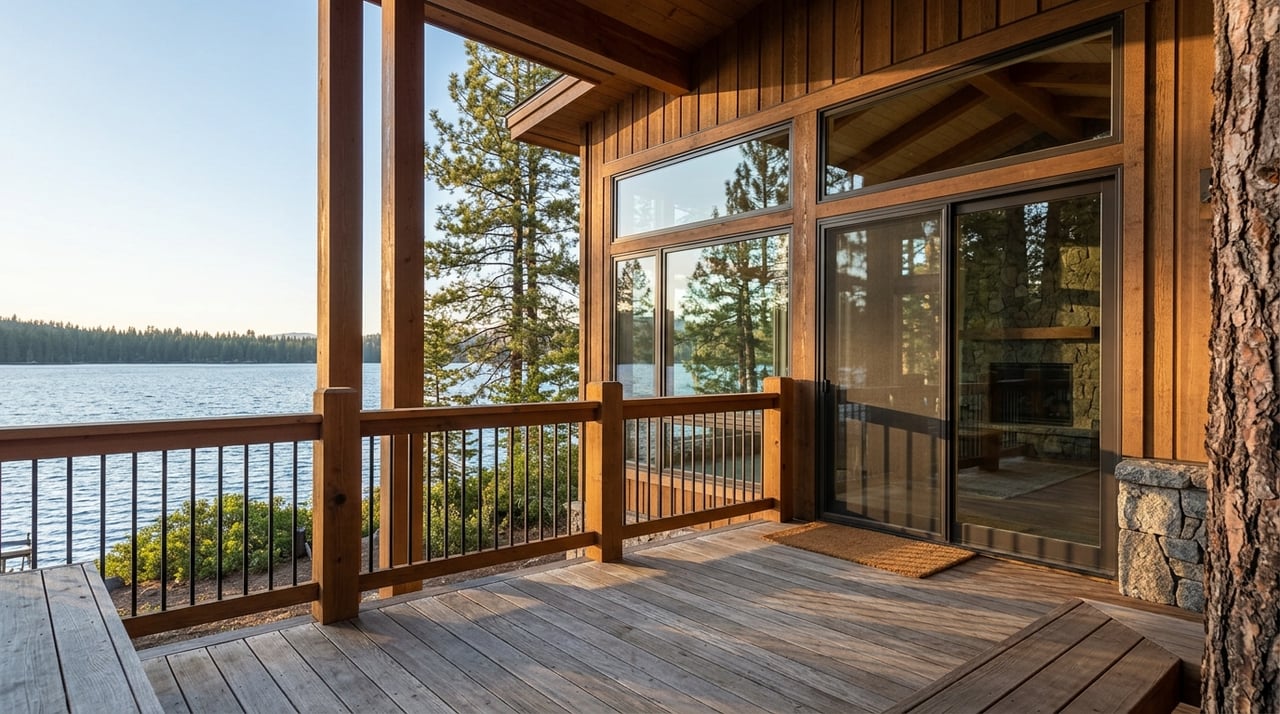
If you have been browsing Tahoe City homes, you have probably noticed one thing fast: lakeview and lake-access do not mean the same thing. A home can sit close to Lake Tahoe and still have limited shoreline access, while another property farther back may offer an easier path to beaches, trails, or boating. If you want to buy wisely in Tahoe City, it helps to understand how location, access, home type, and price all work together. Let’s dive in.
Lakeview vs. Lake Access
In Tahoe City, lake-oriented housing is shaped by a compact downtown, shoreline-focused development, and many older properties that have been rebuilt or substantially remodeled over time. Placer County notes that most development sits near the shoreline and lower foothills, with the town centered around the SR 28 and SR 89 intersection. That compact layout creates strong demand near the water, but it also means access can be more nuanced than buyers expect.
A lakeview home is primarily about what you can see from the property. That might mean wide lake panoramas, filtered blue-water views through the trees, or partial views from a deck or upper level. A lake-access home is about how easily you can get to the shoreline, beach areas, trails, marina services, or a boat ramp.
Those two features often overlap, but not always. In Tahoe City, being near the lake does not automatically mean simple shoreline access, especially downtown where North Lake Boulevard separates much of the parking and activity from the waterfront.
Where Tahoe City Lake Homes Cluster
Downtown and Lake Boulevards
Tahoe City’s most recognizable lake-oriented addresses are in and around the town center and along North Lake Boulevard and West Lake Boulevard. These locations appeal to buyers who want to be near the waterfront setting, local services, and the core Tahoe City atmosphere. They also put you close to some of the town’s best-known public lake amenities.
That said, downtown geography matters. Placer County notes that most commercial and tourist uses sit along SR 28 and SR 89, and parking is still separated from the lake by SR 28. So when you look at a listing that says “close to the lake,” it is worth confirming exactly how you reach the shoreline on foot and what that route feels like in real life.
Lake Forest, Dollar Hill, and Dollar Point
For buyers who want to stay close to Tahoe City without paying for true waterfront, the Lake Forest, Dollar Hill, and Dollar Point area is one of the key pockets to watch. Placer County identifies Lake Forest and Dollar Hill as a village center, and current market snapshots show Lake Forest as one of Tahoe City’s more active submarkets. This area often appeals to buyers who value a balance of access, views, and relative price flexibility.
You may find a mix of condos, townhomes, cabins, and single-family homes here. Depending on the property, you might be closer to public beach access, trail connections, or the boat ramp than you would be in other parts of town.
West-Shore and Surrounding Neighborhoods
Tahoe City and the broader west-shore area include a wide mix of older cabins, compact homes, and rebuilt properties. County planning history shows major growth in Tahoe City, Dollar Point, and nearby west-shore communities between 1930 and 1959. It also notes that many older residential structures have since been replaced with larger, more expensive rebuilt or substantially remodeled homes.
That history matters when you shop. Two homes in the same general area can offer completely different experiences depending on age, lot, orientation, and whether the property has been updated for modern mountain living.
What Lake Access Really Looks Like
Public Beaches and Shoreline Spots
Commons Beach is Tahoe City’s main public beachfront gathering place. Placer County describes it as a sandy beach with a lakeside paved walking and bike path that connects toward Dollar Point. The county also notes parking at lake level, near Mackinaw, and on the street, which makes it one of the more important public access anchors in town.
Lake Forest Beach is another key access point. Tahoe City Public Utility District describes it as a quieter beach used for swimming, sightseeing, bird watching, picnics, wind surfing, and kayak or SUP storage. Parking there is limited, which is a good reminder that access is valuable partly because it is not unlimited.
Boating and Marina Access
If your Tahoe lifestyle includes boating, the access question gets even more specific. The Lake Forest Boat Ramp is 1.5 miles east of Tahoe City, open year-round, and can be very busy in summer according to Tahoe City Public Utility District. That helps show how important boat-launch access can be in this market.
Tahoe City Marina is the downtown boating hub and one of Lake Tahoe’s largest and oldest marinas. Its current slip information shows that annual and seasonal slips for the 2026 season are full, with seasonal pricing ranging from $6,000 to $25,000. For buyers, that is a strong signal that being near the lake and actually securing boating access are two different things.
Trails and Getting Around
Tahoe City stands out for trail connectivity. Tahoe City Public Utility District operates a 23-mile multi-use trail network and clears 16 miles of it in winter. Placer County also notes that the Dollar Creek Shared-Use Trail connects into the 10-mile Class 1 trail from Tahoe City to Sugar Pine Point State Park.
If you want a home that supports a walkable or bike-friendly Tahoe lifestyle, trail access may matter almost as much as direct beach proximity. The Tahoe City Transit Center, just south of Fanny Bridge and the Tahoe City Y, adds another layer of practical access for buyers who value transportation options.
What Types of Homes You Will See
Tahoe City does not have one single lake-home style. The older base includes cabins, cottages, and smaller homes, reflecting the area’s long residential history. The Watson Cabin, built in 1909, is a useful example of Tahoe City’s early built character.
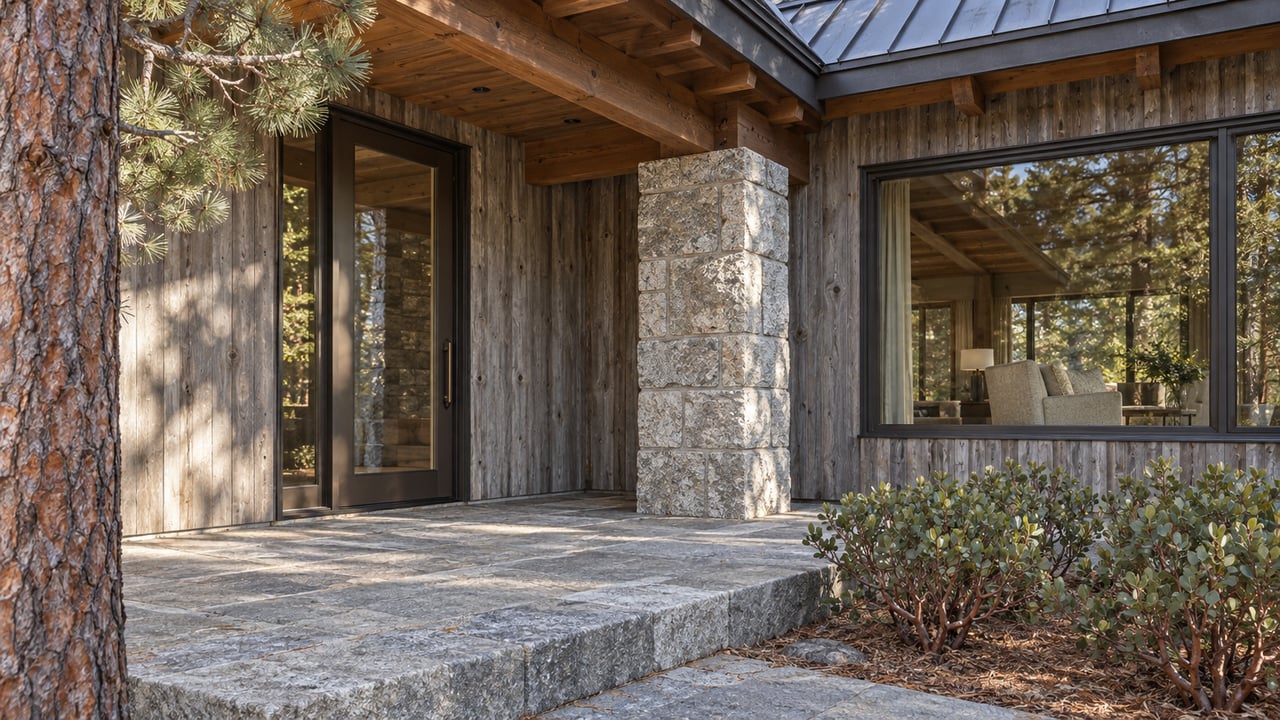
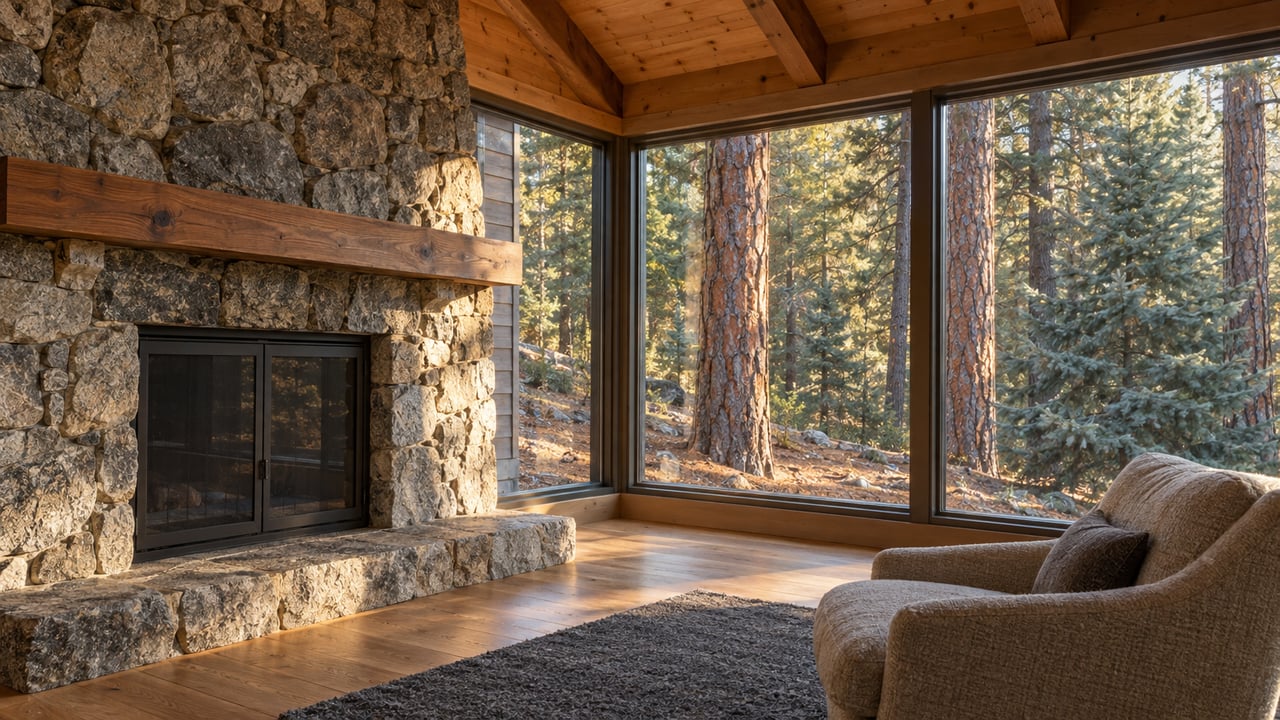
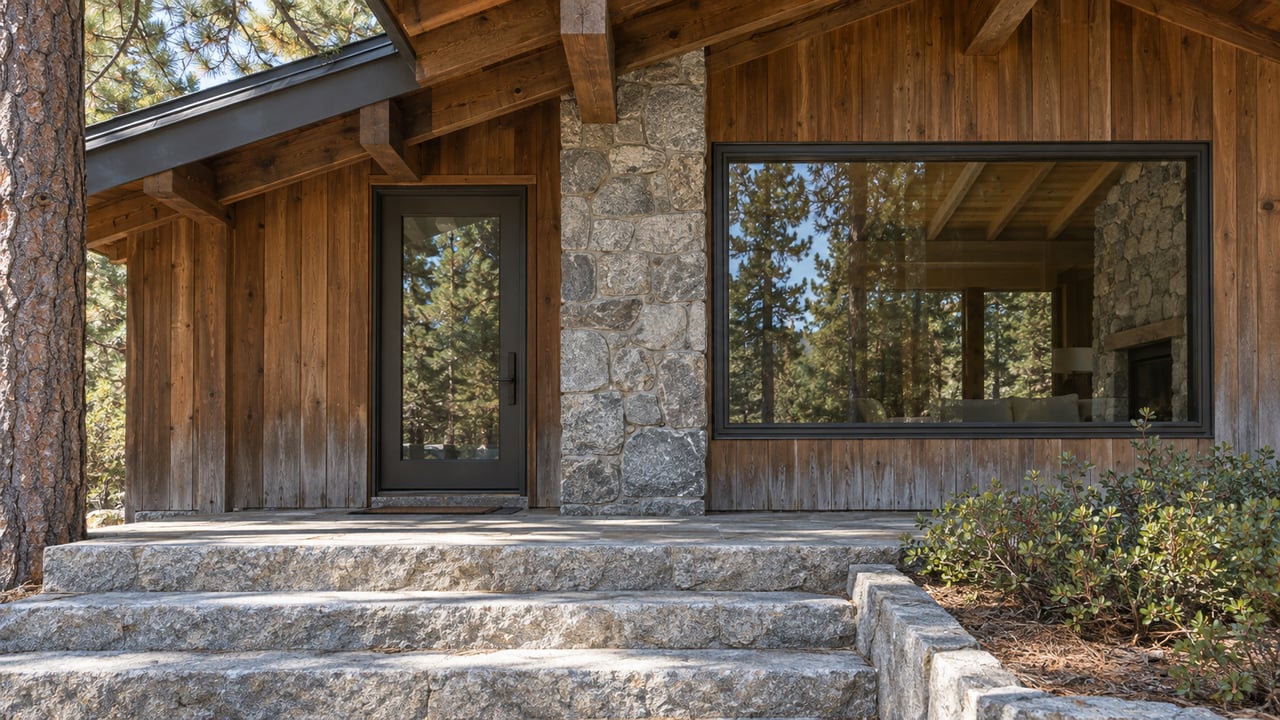
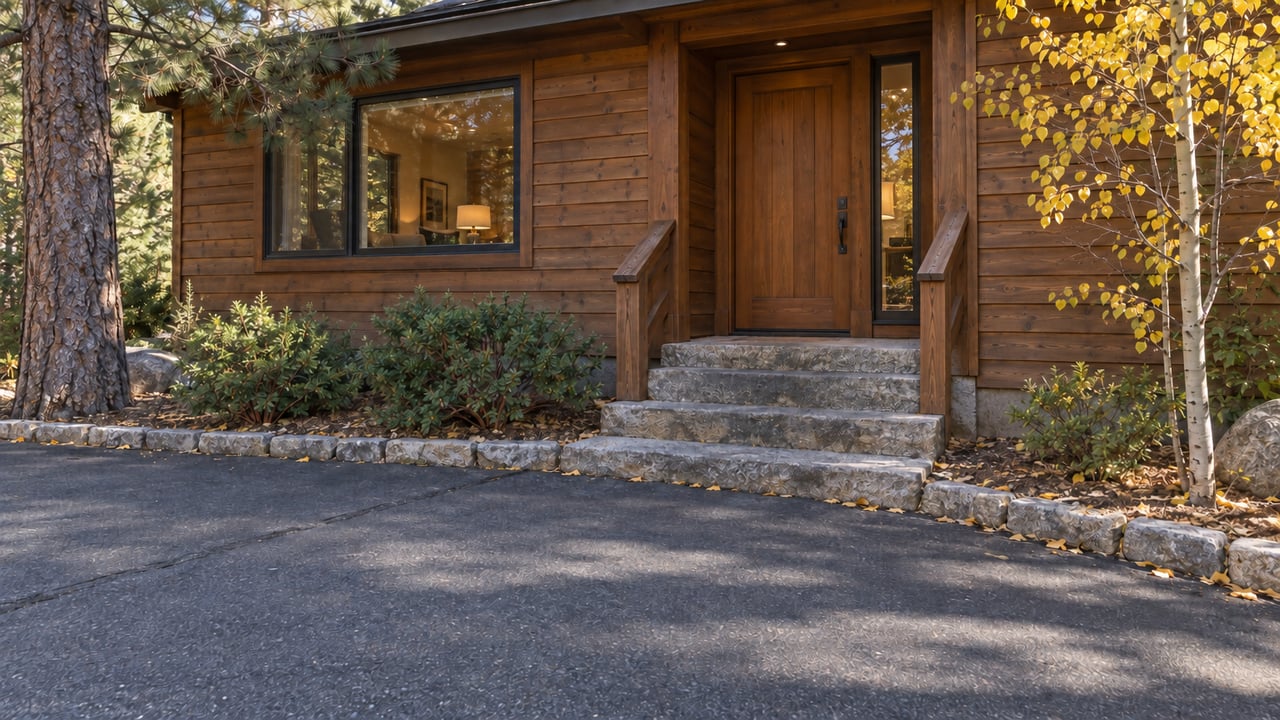
Today’s inventory tends to span a broad range. Some listings lean rustic and cabin-like, some feel more like updated mountain retreats, and others reflect newer mountain-modern design with open layouts and larger windows oriented toward the lake or forest. You may also see older character homes that are best suited for renovation or future rebuilding.
This mix is one reason lakeview shopping can feel tricky. The same price band may include a compact older cabin with charm, a condo with partial views, or a newer home with a more dramatic visual connection to the lake.
What Buyers Can Expect by Budget
Even before you narrow your search to lake-oriented homes, Tahoe City is a high-priced and relatively constrained market. Current market snapshots show a median listing price around $1.5 million on one platform, with 41 active listings, 37 median days on market, a 99% sale-to-list ratio, and about $802 per square foot. Another snapshot shows a Tahoe City home value index of $1,276,110 as of May 31, 2026, up 4.1% year over year.
Those numbers matter because lakeview and waterfront inventory is even tighter. Current listing pools separate lakeview homes from waterfront homes, which is an important distinction for serious buyers.
Under $500K
In this range, you are mostly looking at studios, very small condos, or land. Current examples include a $375,000 studio on North Lake Boulevard, a $475,000 two-bedroom unit on Lake Forest Road, and a pending $499,000 condo at Granlibakken. In practical terms, this price band is not where most buyers will find true lakeview single-family homes.
Roughly $500K to $900K
This range tends to include small townhomes, compact cabins, and older condo or townhome product with partial views or trail access. Buyers may find homes that support the Tahoe lifestyle well, but expectations should stay realistic about view quality, interior size, and direct shoreline convenience.
Roughly $1M to $1.8M
This is where more usable single-family options and stronger view properties begin to appear. Even here, lake access is often indirect or shared rather than private. If you are aiming for a true Tahoe City house with meaningful views, this is often where the conversation becomes more serious.
$2M and Up
At this level, true lakeview, shoreline-close, or waterfront-adjacent homes become much more realistic. The premium can widen quickly, and the number of options usually stays small. Current waterfront examples stretch from the mid-$1 millions into the $4 million range and beyond, reinforcing how competitive the top end can be.
How to Evaluate a Tahoe City Listing
Because supply near the water is limited, it helps to look beyond the headline description. A smart review should focus on what the property actually delivers day to day.
Here are a few practical questions to ask as you compare homes:
- Is the lake view wide, partial, filtered, or seasonal?
- How do you physically reach the shoreline from the property?
- Are beach access, trails, or the boat ramp nearby?
- What is parking like in summer and peak weekends?
- Is the home an older cabin, a renovated property, or a rebuild?
- Does the price reflect view quality, access, condition, or all three?
In Tahoe City, scarcity around the water is about more than price alone. Public parking is limited in key areas, marina slips are fully occupied for the 2026 season, and local agencies are still pursuing downtown access improvements. All of that makes it even more important to confirm the real-world experience behind the listing language.
Why Local Guidance Matters
Tahoe City offers a wide spectrum, from compact condos and classic cabins to rebuilt lakeview homes and rare waterfront opportunities. The challenge is that two homes with similar asking prices can offer very different value once you compare actual views, shoreline convenience, trail access, and future use.
If you are buying from the Bay Area, shopping for a second home, or simply trying to compare Tahoe micro-markets more confidently, local perspective can save you time and help you focus on the right opportunities. A careful, on-the-ground review of access, layout, and setting often tells you more than a listing headline ever could.
If you want help sorting through Tahoe City lakeview and lake-access options, Doug Schroeder can help you evaluate the details that matter most and make a more informed move.
FAQs
What is the difference between a lakeview home and a lake-access home in Tahoe City?
- A lakeview home is defined by its view of Lake Tahoe, while a lake-access home is defined by how easily you can reach the shoreline, beaches, trails, marina services, or boat access points.
Where are lakeview and lake-access homes most common in Tahoe City?
- They are commonly found around downtown Tahoe City, along North Lake Boulevard and West Lake Boulevard, and in nearby areas such as Lake Forest, Dollar Hill, and Dollar Point.
Are waterfront homes and lakeview homes the same in Tahoe City?
- No. Current market inventory separates lakeview homes from waterfront homes, which shows they are different product types with different levels of scarcity and pricing.
What public lake access points are important for Tahoe City buyers?
- Commons Beach, Lake Forest Beach, the Lake Forest Boat Ramp, Tahoe City Marina, and the local multi-use trail network are some of the key public access features buyers often consider.
What price range should I expect for Tahoe City lake-oriented homes?
- Most buyers will find that under $500,000 is largely limited to small condos, studios, or land, while stronger single-family lakeview options tend to appear more often from about $1 million and up, with waterfront-adjacent properties often starting much higher.